Questions and answers about building a house using solid construction methods
Value retention, energy efficiency, design freedom and special challenges
Value retention, energy efficiency, design freedom and special challenges
exciting to read
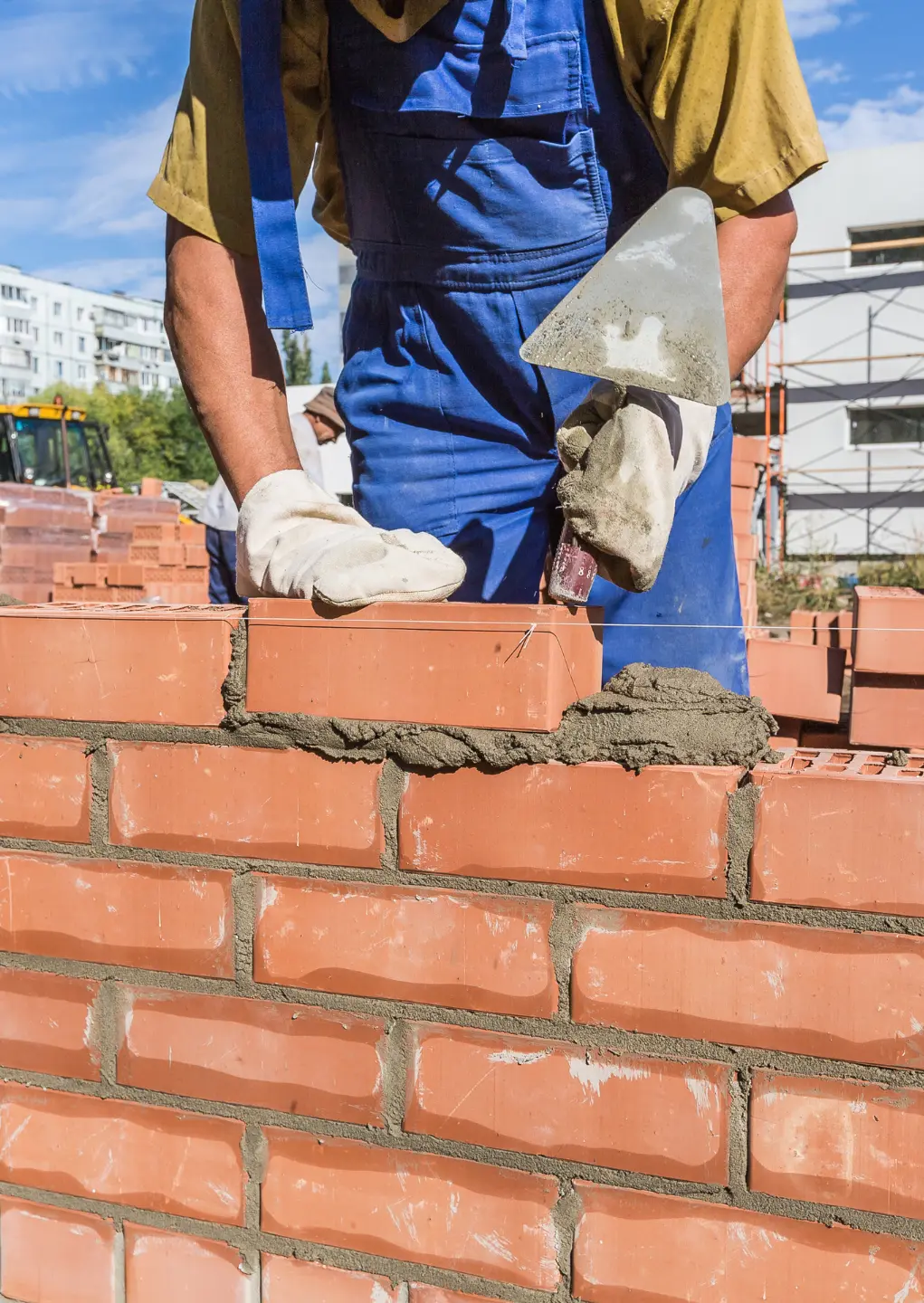
Solid construction is popular, but many questions remain. Jolina Dammert, sales manager at Atmoshaus, answers the most important ones.
Overall, solid construction offers a combination of lasting value, flexibility, and sustainability, making it an attractive option for various building projects . Solid buildings offer exceptional robustness and longevity through the use of durable materials such as concrete and brick. This also results in a higher resale value, further enhancing value stability. The adaptability of solid buildings allows for easy modifications to meet changing needs, such as removing or adding interior walls, without compromising structural integrity. This versatility permits a wide range of architectural designs, from traditional to modern, enabling optimal use of the building plot. In terms of energy efficiency, solid buildings store heat and cold more efficiently due to their higher thermal mass, reducing energy consumption for heating and cooling. With low maintenance requirements and the recyclability of materials like concrete, solid buildings contribute to sustainability by minimizing waste and resource consumption.
This type of construction requires less maintenance over the years because it is more resistant to weather, fire, and wear and tear. This keeps long-term maintenance costs low, which naturally increases the overall value of the building. Additionally, solid buildings often retain their value better, as potential buyers appreciate the quality and reliability of these structures. The flexibility of solid buildings also allows owners to adapt the building's use over time, whether through renovations, remodeling, or repurposing, which can further increase its value. Furthermore, solid buildings age less quickly, meaning they don't appear outdated as rapidly.
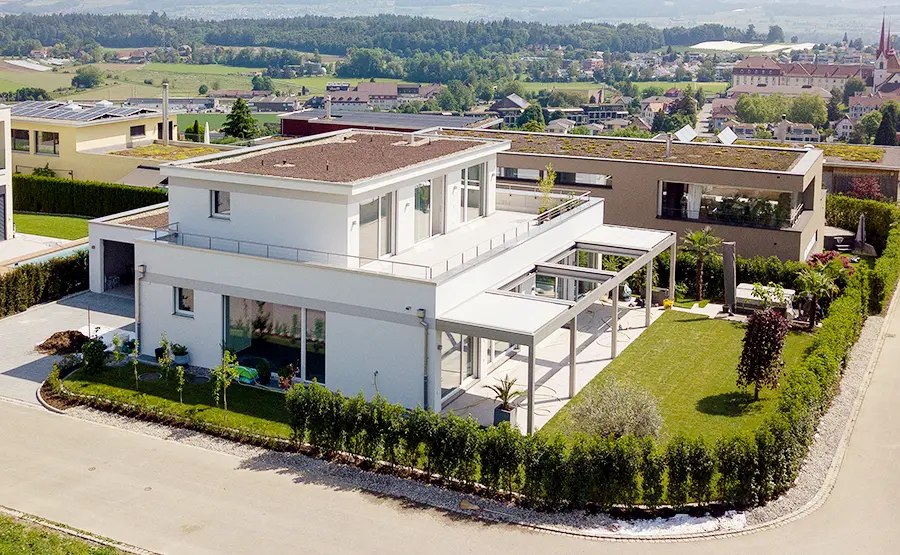
In solid construction, clients have an exceptional range of design freedom that differs significantly from alternative construction methods. Unlike lighter constructions, solid construction allows the use of a wide variety of materials such as concrete, brick, natural stone, or sand-lime brick, offering countless architectural possibilities . From the building's shape and the realization of the finest details to the customization of the interior spaces, clients can realize their individual dreams.
The use of recyclable materials and the possibility of reusing building materials make solid construction a sustainable option for building projects. Materials such as concrete and stone are natural and durable resources. Due to their high thermal mass, solid buildings also contribute to energy efficiency by storing heat and reducing energy consumption for heating and cooling. Furthermore, the robustness and longevity of solid construction allow for the long-term use of buildings, minimizing resource waste and reducing the need for new construction.
We see it as our responsibility to inform clients about environmentally friendly building practices and support them in implementing sustainable solutions. By jointly integrating these principles into construction projects, clients actively contribute to creating a greener future in the construction sector. For example, we have been installing modern air-source heat pumps as standard in all our projects.
Brick or masonry construction, concrete construction, reinforced concrete construction, solid wood construction and natural stone construction are all types of solid construction.
Double-shell masonry walls offer better sound insulation to the outside, better thermal insulation, and are more robust than single-shell masonry walls with external insulation. The latter therefore allow for significantly thinner exterior walls, meaning more usable living space. Furthermore, cost is a crucial factor: single-shell masonry walls are considerably less expensive.
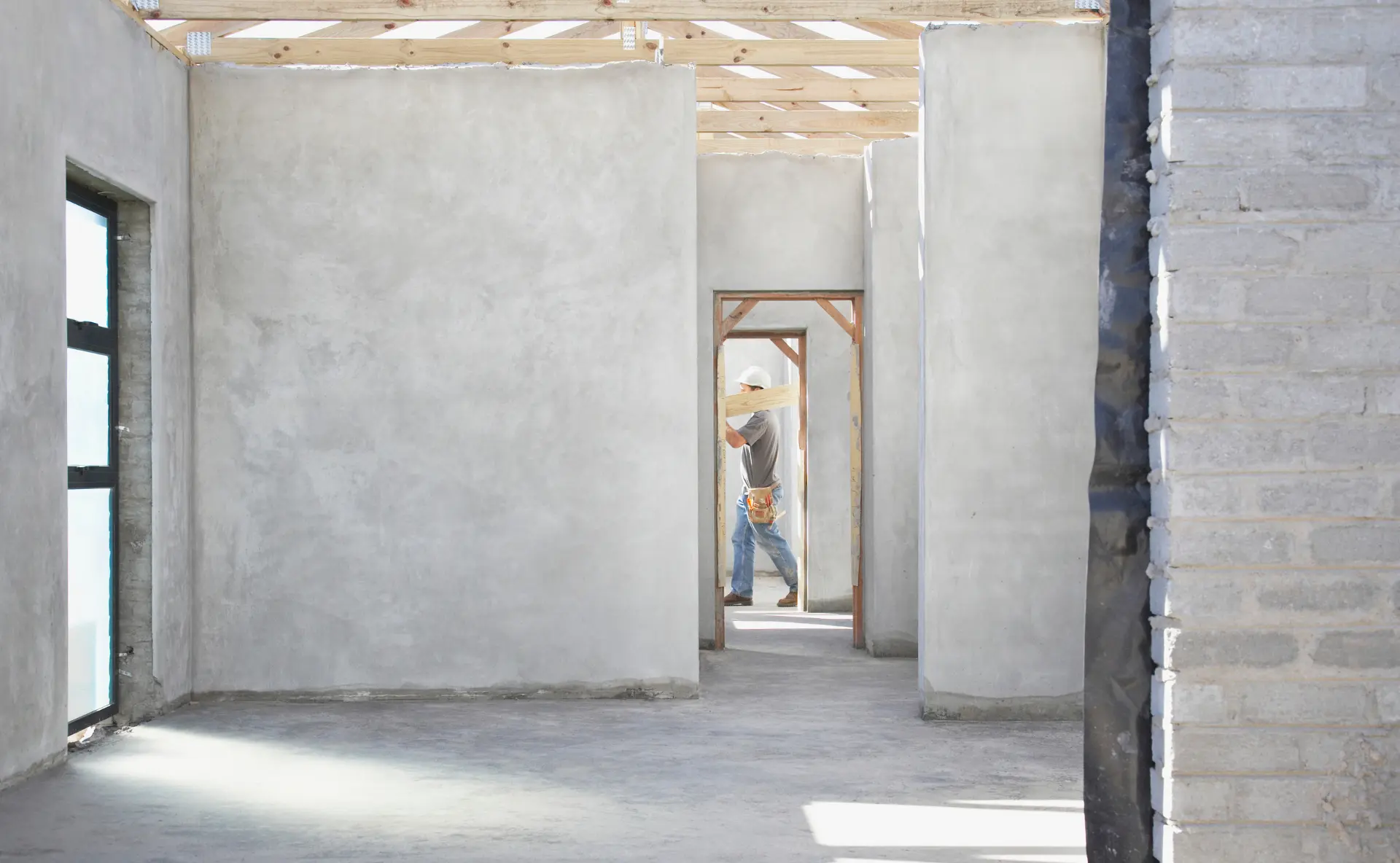
Solid construction often requires extensive earthworks and a robust foundation to ensure the structure's stability. Clients must carefully consider potential soil conditions, geological features, and any necessary drainage measures. Ideally, they will receive expert advice and support from the general contractor or architectural firm.
Do you have any unanswered questions? Don't hesitate to ask them via email .
Do you have questions about this topic or would you like a personal assessment? Our experts are happy to assist you.



Free information package
Receive our initial information directly to your home